Why Ice Management Is Critical for Commercial Safety
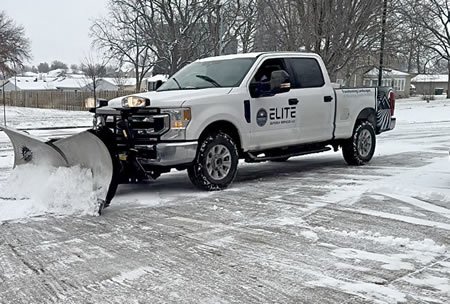
Winter in Norwalk can switch from slush to glare ice overnight. That's why effective ice management isn't a "nice to have" for commercial sites. It's a safety system that keeps people on their feet, traffic moving, and business open. If you manage a storefront, office, or campus, a reliable snow and ice management plan turns unpredictable storms into predictable outcomes.
Foot traffic spikes near entrances, curb ramps, and crosswalks, especially along busy corridors and neighborhood centers. Those are the first places black ice hides. Add wind, refreeze, and shade, and you've got conditions that can turn a simple errand into an injury if your site isn't prepared.
What Ice Management Means for Norwalk Businesses
Ice management is the year-round playbook for keeping walkways, stairs, loading areas, and parking lots safe through winter. It includes preseason site mapping, anti-icing before storms, de-icing during and after events, and detailed documentation of what was done and when. The goal is simple: reduce slips, reduce shutdowns, and reduce stress.
In practical terms, that means setting service priorities for entrances and high-traffic zones, monitoring pavement temperatures during events, and confirming conditions after crews finish. When it's working well, customers barely notice. They park, walk in, and do business without thinking twice.
How Ice Management Protects People First
Every property is different, but the risks are familiar across Central Iowa. Here are the big ones that solid ice management helps you avoid:
- Slip-and-fall injuries on sidewalks, curb ramps, stairs, and crosswalks
- Fender-benders and bottlenecks in slick parking aisles and drive lanes
- Closed entrances and delayed deliveries that stall daily operations
- Long-term surface damage from freeze-thaw cycles and poor materials use
Never ignore black ice where foot traffic converges, like main doors and cart corrals, because that's where most surprise slips happen.
A Proven Plan that Reduces Risk Every Storm
Preseason Site Walk and Map
Before the first flurries, a thorough site walk identifies where ice forms first: shaded north sides, downspout outlets, dock aprons, and spots with poor drainage. Your map sets service priorities, staging areas, and snow storage zones so crews don't guess under pressure.
Monitoring and Fast Response During Events
Storms in the Des Moines metro often arrive with wind and temperature swings. Crews watch pavement temperatures and conditions in real time so they can choose the right tactic at the right time, then return for refreeze checks as temperatures drop overnight.
Documentation that Stands Up to Scrutiny
Accurate records show a consistent, good-faith safety effort. That paper trail matters for your insurance reviews and peace of mind.
- Time-stamped service logs for each area
- Materials used and application notes
- Before/after condition checks and follow-ups
Documentation is your safety net when questions arise after a storm.
Local insight: Norwalk's frequent freeze-thaw swings can turn yesterday's melt into this morning's ice sheet, especially near north-facing entrances and shaded lots off Highway 28 and North Avenue. Prioritizing refreeze checks before opening hours keeps early visitors and staff safe.
Materials and Methods that Work in Central Iowa
There's no single "best" de-icer for every hour of an Iowa storm. Crews match materials to conditions to protect both people and pavement. Rock salt is common above certain temperatures. Blended chlorides and treated salt extend effectiveness as temperatures drop. Anti-icing with brine helps prevent a bond between snow and pavement, so plowing is cleaner and faster later.
Material choice also considers where meltwater goes. Near landscaping, entries, and sensitive surfaces, professionals balance traction, speed, and environmental impact to keep your site safe without unintended damage.
Where Ice Forms First Around Local Properties
Patterns repeat across Norwalk and nearby communities, and spotting them early helps you stay ahead:
- North-facing entrances and shaded sidewalks that see little sun during short winter days
- Low spots near curbs where meltwater pools and then refreezes overnight
- Loading zones and dock aprons with constant door cycling and drifting snow
- Sloped walkways, painted crosswalks, and smooth pavers that get slick fast
Think of these as your "hot spots" to monitor after the plows pass. Quick touch-ups and targeted treatments here often prevent the majority of incidents.
Choosing a Local Partner You Can Trust
Training, Equipment, and Materials
A prepared team does more than spread salt. They're trained on site priorities, storm staging, and how to match treatments to pavement temps. Right-sized gear matters too, from truck plows for lots to compact units and walk-behind spreaders for tight sidewalks.
Communication and After-Hours Coverage
Winter doesn't run on banker's hours. Look for clear communication, around-the-clock coverage, and post-storm checks for refreeze. You want updates you can forward to stakeholders and confidence that a 3 a.m. glaze won't surprise your opening crew.
Many managers prefer one vendor for four seasons to keep operations simple. Partnering with a trusted lawn care company that also handles winter services means one contact, one schedule, and one standard for safety all year long.
If you're responsible for a storefront, medical office, school, or industrial site, a dependable partner for ice management keeps doors open and reputations strong. It's a lot like defensive driving: you rarely notice when it's working, but you sure notice when it isn't.
What "Good" Looks Like During a Norwalk Winter
Picture a busy weekday with light snow at lunch and a hard refreeze by evening. A strong plan has anti-icing in place before the first flakes, clean plow passes as accumulations build, and targeted treatments at entrances and high-traffic aisles right when temps dive. The morning after, crews complete refreeze checks so that early staff and customers step onto safe surfaces.
Zero tolerance around entrances and curb ramps is the standard to aim for, especially during peak hours. Elsewhere on site, your priority map guides the right level of service for each zone so resources go where risk is highest.
Ready to Protect Your Property This Winter
Safe properties don't happen by chance. They happen because managers plan ahead and choose partners who take safety as seriously as they do. With a thoughtful strategy and consistent execution, winter becomes manageable, predictable, and far less stressful for your team.
Want fewer slips, smoother traffic, and less winter downtime? Call Elite Outdoor Services, LLC at 515-690-8182 and lock in your plan before the next storm.
Our Service Areas
We proudly serve Norwalk and the surrounding communities with dependable lawn care and property maintenance services. As a locally operated company, we understand the expectations of area homeowners and business owners. Our team is committed to responsive communication, consistent scheduling, and long-term service relationships. When you need reliable property maintenance, we are ready to serve.
View All Service AreasOur Complete Services
Elite Outdoor Services, LLC provides year-round property maintenance designed to simplify management for homeowners and business owners. Our team handles routine lawn care, landscaping, seasonal cleanups, and winter services under structured maintenance plans so you can rely on consistent scheduling and clear communication.
- Lawn Mowing
- Property Clean-Ups
- Shrub & Hedge Trimming
- Aeration & Overseeding
- Commercial Lawn Care
- Mulching
- Landscape Rock Installation
- Sod Installation
- Turf Repair
- Drainage Solutions
- Landscape Design
- Commercial Landscaping
- Snow Removal & Ice Management