How Often Should You Mow Your Lawn in Central Iowa?
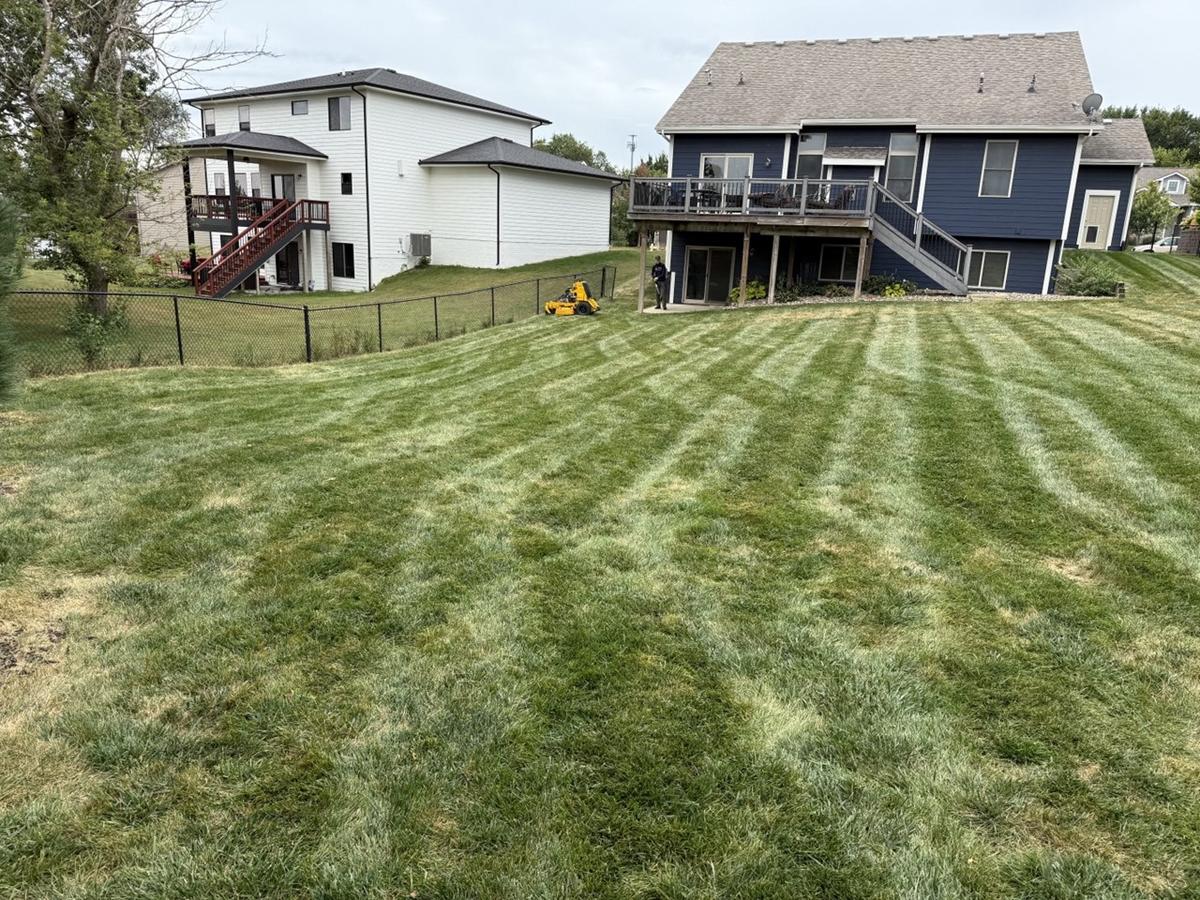
When homeowners ask about lawn mowing in Norwalk, IA, the real answer depends on grass type, weather, and the time of year. The good news is that a consistent weekly lawn mowing plan works for most cool-season lawns in Central Iowa and can be adjusted a little as temperatures and rainfall change. In this guide, you will learn what drives growth in our region, the ideal grass height ranges, and how to time cuts through spring, summer, and fall so your yard looks even and feels soft underfoot.
What Drives Mowing Frequency In Central Iowa
Central Iowa lawns are mostly cool-season grasses such as Kentucky bluegrass, perennial ryegrass, and tall fescue. These grasses grow fastest in cool, moist weather, which is why yards often surge in spring and early fall, then slow during summer heat or late fall chill.
Rainfall also matters. A wet spring or an irrigated yard can double growth from one week to the next. Dry spells slow everything down. Fertilizer timing plays a role too. If your lawn was fed in early spring or early fall, expect quicker growth for a few weeks after the application.
Finally, sun exposure changes growth. Full-sun front yards along open streets may grow faster than shaded backyards. Corner lots with more wind can dry out and slow down in July. Keep these differences in mind as you adjust how often you mow.
Seasonal Mowing Schedule For Norwalk Lawns
Use this simple, local schedule as a starting point. It keeps most lawns neat without cutting too short. Adjust a few days either way based on rainfall and growth.
- Spring (April to May): Plan on every 5 to 7 days once growth kicks in. Spring rain and cool temperatures push fast blade growth.
- Early Summer (June): Every 7 days for most yards. Increase frequency if you water regularly or had a recent fertilizer application.
- Peak Summer Heat (July to mid‑August): Every 7 to 10 days, depending on heat and moisture. This is the time to think carefully about mowing during summer heat.
- Early Fall (late August to October): Back to every 7 days as temperatures cool and lawns rebound.
- Late Fall (November, before the first hard freeze): One final cut when growth has slowed, focusing on an even, tidy finish.
Central Iowa can flip from cool mornings to hot afternoons in a single day. If your lawn is under heat stress, let it rest and push your cut to the cooler part of the day. Waiting for shade or the next morning protects the grass from unnecessary stress.
Ideal Grass Height For Common Iowa Turf Types
Height matters as much as timing. Taller blades shade roots, hold moisture, and crowd out weeds. Aim for a finish height around 3 inches for most cool-season lawns. Here are safe ranges that fit Norwalk yards:
- Kentucky bluegrass: about 2.5 to 3.5 inches
- Perennial ryegrass: about 2.5 to 3 inches
- Turf-type tall fescue: about 3 to 4 inches
Staying within these ranges keeps the lawn durable during hot spells and helps it bounce back quickly after heavy foot traffic from kids or pets. If you like a manicured look with visible stripes, you can stay near the low end of each range in spring and fall, then shift to the higher end in July and August.
Cutting more than one-third of the blade at a time leads to stress and brown tips. If your lawn gets away from you after a rainy week, split the difference across two cuts several days apart so you return to your target height without shock.
How Summer Heat Changes Your Plan
Central Iowa summers can bring hot afternoons and dry winds. That combination slows growth and can leave turf looking tired if it is cut too short. During July and the first half of August, most Norwalk lawns prefer slightly higher mowing heights and gentler timing.
Do not mow during extreme mid-day heat or drought stress. The lawn is already working hard to conserve moisture. A late afternoon or early evening cut, when temperatures ease, helps the grass recover faster and keeps the finish more even. If you use irrigation, mowing a day after watering gives the lawn time to firm up so the mower wheels do not mat down wet blades.
Why Weekly Works For Most Norwalk Yards
Homeowners often ask why a weekly lawn mowing schedule is so common here. The reason is simple. Weekly cuts keep the lawn inside the safe height range without big swings; they prevent heavy clumps, and they make each visit faster and cleaner. When grass grows in steady, smaller increments, your yard keeps its color, stripes look sharp, and edges stay tidy along sidewalks and driveways.
Think of it like keeping a haircut trimmed. A small, regular adjustment maintains the shape you want. Skip too long, and the next visit becomes a rescue, not a touch-up. Weekly timing also makes it easier to spot issues such as weeds or thin areas before they spread.
Real-World Adjustments When Weather Shifts
Even the best plan needs small adjustments. Watch the lawn and the forecast. After two or three cool, rainy days in May, move your next cut up a day. After a hot, dry stretch in July, push it back a day or two. If you host a weekend get-together, schedule the cut just before guests arrive so your lawn looks fresh and even.
Fertilizer or overseeding can temporarily change growth too. Expect faster growth for a couple of weeks after feeding in spring or fall. If you had aeration and seed work done, keep the mowing height on the higher end of the safe range so new seedlings get the shade they need while they root.
Signs You Should Mow More Or Less Often
Use these quick signals to fine-tune your timing without overthinking it:
- Grass looks shaggy or leaves track marks a day after mowing. Bump frequency slightly.
- Visible clumps or long stems appear. Move the next cut earlier and use a higher finish height.
- Tips are brown or frayed. You may be cutting too much at once or during stress.
- Color fades in July. Raise the height inside the safe range to protect roots and moisture.
- Lawn feels bouncy and thick underfoot. You are on the right schedule and height.
Edge Quality, Patterns, And Curb Appeal
Norwalk neighborhoods value clean lines along walks and driveways. Consistent timing is what keeps edges crisp and patterns balanced across your whole yard. When the interval between cuts stays steady, striping looks even across sunny and shaded spots and the lawn holds color more uniformly from the street.
Consistency also reduces the chance of tracking clippings into garages or the house, since shorter intervals mean fewer heavy clumps. The result is a tidier look with less cleanup afterward.
Where A Professional Schedule Helps Most
Busy weeks, changing weather, and family plans make timing hard. A professional schedule keeps your yard on track, even when the forecast changes suddenly. If you want the simplest path to a thick, even lawn, a dependable team can monitor growth, shift cutting height seasonally, and keep the schedule steady through spring flush and summer slowdowns.
For homeowners who want that balance of health and curb appeal, our crew delivers a consistent, professional finish each visit. If you are exploring options, compare growth across your front and back yards for a week, then consider a set cadence with a professional lawn mowing service to hold everything in the ideal range.
How Often Should You Mow After Rain Or Watering?
After a soaking rain, Central Iowa lawns often put on quick growth. Give the yard time to dry so clippings spread evenly and footprints do not press patterns into soft soil. If growth jumps, do not chase a lower finish height immediately. Return gently to your preferred height over the next one or two cuts.
With routine irrigation, plan your mowing a day after a scheduled watering. That timing lets blades stand up for a clean, even cut and reduces the chance of matted spots. This small shift keeps stripes sharp and color consistent, even in mid-summer.
Connecting The Schedule To Long-Term Lawn Health
A good mowing rhythm is the backbone of every healthy yard in Norwalk. It ties together everything else you do across the year. When mowing height and timing fit the season, fertilizer works more effectively, watering goes further, and your lawn resists weeds and heat better. Think of mowing as the steady beat that keeps your lawn in tune.
If you are unsure where to begin, start with weekly timing at a three-inch finish height in spring. Watch how the lawn responds, then raise the height a half inch during the hottest weeks. In early fall, return to your spring setting. These small, thoughtful changes deliver big results without overcomplicating your routine.
Local Perspective For Norwalk, IA
Our part of Central Iowa sees wide temperature swings and the occasional strong storm that can flatten a freshly cut yard. Planning your mow around the forecast helps. When high winds or storms are on the way, cutting a day earlier often keeps the lawn looking tidy through the weather. In a cooler week, you can hold the normal day and expect a clean finish.
If you ever wonder whether your property fits the “weekly works” idea, look at shade, irrigation, and how quickly the grass springs back after you walk across it. Heavily shaded or non-irrigated areas slow down a bit in July, while full-sun sections near sidewalks usually keep up. Adjust by a day, not a week, and you will stay right in the sweet spot.
When You Want Help Keeping The Rhythm
There is real value in a set schedule that flexes with our weather. A steady service plan means your lawn is checked often, edges stay clean, and the finish height moves with the season. If you want a simple way to lock in that rhythm, our team is ready to help.
For dependable lawn mowing in Norwalk, IA, schedule your service with Elite Outdoor Services, LLC today. Call 515-690-8182 to get on the schedule and keep your yard looking great all season.
If you prefer to read more before deciding, learn how we plan routes, adjust timing, and deliver a consistent finish with our weekly lawn mowing program. You can also explore broader information about lawn mowing in Norwalk, IA to see how regular care, timing, and finish height work together to protect your lawn through spring growth, summer heat, and fall recovery.
Our Service Areas
We proudly serve Norwalk and the surrounding communities with dependable lawn care and property maintenance services. As a locally operated company, we understand the expectations of area homeowners and business owners. Our team is committed to responsive communication, consistent scheduling, and long-term service relationships. When you need reliable property maintenance, we are ready to serve.
View All Service AreasOur Complete Services
Elite Outdoor Services, LLC provides year-round property maintenance designed to simplify management for homeowners and business owners. Our team handles routine lawn care, landscaping, seasonal cleanups, and winter services under structured maintenance plans so you can rely on consistent scheduling and clear communication.
- Lawn Mowing
- Property Clean-Ups
- Shrub & Hedge Trimming
- Aeration & Overseeding
- Commercial Lawn Care
- Mulching
- Landscape Rock Installation
- Sod Installation
- Turf Repair
- Drainage Solutions
- Landscape Design
- Commercial Landscaping
- Snow Removal & Ice Management